Tips for Painting Brick the Right Way
Brick, with its earthy tones and textured surface, has been a favored building material for centuries. Its aesthetic appeal bridges both the traditional and the contemporary, offering buildings a character that is hard to replicate with other materials. Over the years, however, like everything exposed to the elements, brick can start to show signs of wear. It can lose its vibrant color, becoming dull and stained, detracting from the overall appearance of a structure.
This is where the magic of a fresh coat of paint comes into play. A well-executed paint job can transform aged brickwork into something that looks brand new, breathing new life into the façade. But painting brick isn’t the same as painting a wall. It requires a specific skill set and knowledge to ensure that the paint not only looks good but also stands the test of time.
At Alliance Painting, our experience has taught us the subtle intricacies involved in brick painting. From understanding the type of brick and its unique requirements to choosing the right paint that complements and protects, our expertise is second to none. Every brick painting project we embark upon is approached as a piece of art, with the goal of achieving a flawless result that enhances the building’s charm. For those contemplating a brick makeover, remember, that it’s not just about slapping on a coat of paint; it’s about understanding the material, respecting its properties, and using techniques that ensure longevity and beauty. Let us guide you in achieving that perfect finish that your building deserves.
Clean Before You Start
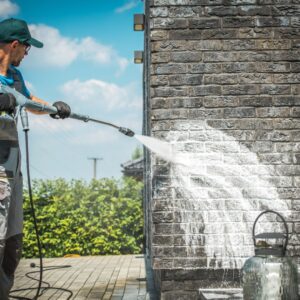
Bricks, with their unique and rugged texture, have a natural tendency to absorb moisture and particles from their surroundings. Their porous nature acts as a magnet, drawing in not just dirt and dust, but over prolonged periods, they can also become a breeding ground for mold and algae. The environment, whether it’s the city’s pollution or the dampness of a countryside setting, plays a role in this accumulation.
As such, when considering a brick painting project, it’s not just about selecting the right shade of paint. The very first step, and arguably the most crucial, is preparation. Before even thinking about dipping that brush in paint, the brick’s surface requires careful and meticulous cleaning. A recommended approach is to create a blend of soapy water, which when combined with the scrubbing action of a brush, can effectively lift off the everyday dirt and residues.
Choose the Right Paint

Bricks, by nature, are permeable materials. Their porous structure means that they absorb and release moisture, a natural process that helps maintain the integrity of the brickwork and the building it supports. This breathing process is essential, particularly in climates where there are frequent changes in temperature and humidity levels.
Using the wrong type of paint on bricks can seal off these pores, disrupting their natural ability to breathe. When moisture gets trapped within the brick’s structure, it doesn’t simply evaporate. Over time, this trapped moisture can lead to several problems. It can facilitate the growth of mold, which is not only unsightly but can also pose health risks. Additionally, in colder climates, trapped moisture can freeze and expand, leading to cracks or causing the paint to peel off.
This is why it’s essential to choose the right kind of paint when considering a brick painting project. High-quality, breathable masonry paint is designed with the bricks’ unique characteristics in mind. Unlike regular paints, masonry paint ensures that while it offers a protective layer against rain and other external factors, it still allows the brickwork to release any accumulated moisture in the form of water vapor. This ensures that the paint remains intact, the brick maintains its structural integrity, and any potential moisture-related issues are averted
Priming is Not Optional
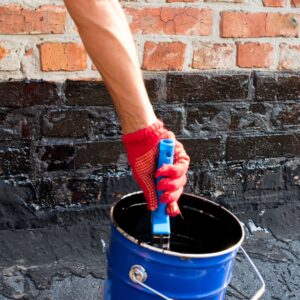
Bricks, with their distinctive rough and gritty texture, have inherent porous qualities. This porosity is part of what gives brick its charm and natural appearance, but it also presents a unique challenge when painting. The open pores in bricks mean they can act like a sponge, eagerly drawing in any liquid they come in contact with.
When applying paint directly to such a surface, bricks tend to absorb an excessive amount of it. This doesn’t just result in wastage of paint but can also lead to an inconsistent, patchy appearance. Paint might appear darker in more absorbent spots and lighter in others. Furthermore, this absorption can weaken the paint’s durability, leading to faster wear and necessitating frequent touch-ups, which can be both time-consuming and expensive.
Use Professional Brushes and Rollers
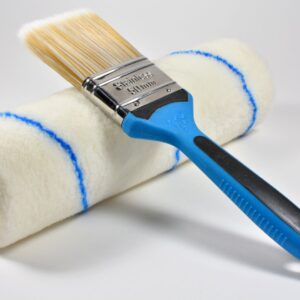
The unique texture of brick requires special tools for a smooth finish. While it might be tempting to use any old brush, investing in professional brushes and rollers is the way to go. These tools are designed to reach into the brick’s nooks and crannies, ensuring an even and seamless paint application.
Brick painting, when done right, can breathe new life into your space, offering a refreshing and modern twist to a classic aesthetic. Remember, while DIY is commendable, entrusting your brick painting project to a professional painting company like Alliance Painting guarantees you not just a fresh coat but a durable, stunning finish. Ready for that brick transformation? Contact us today!